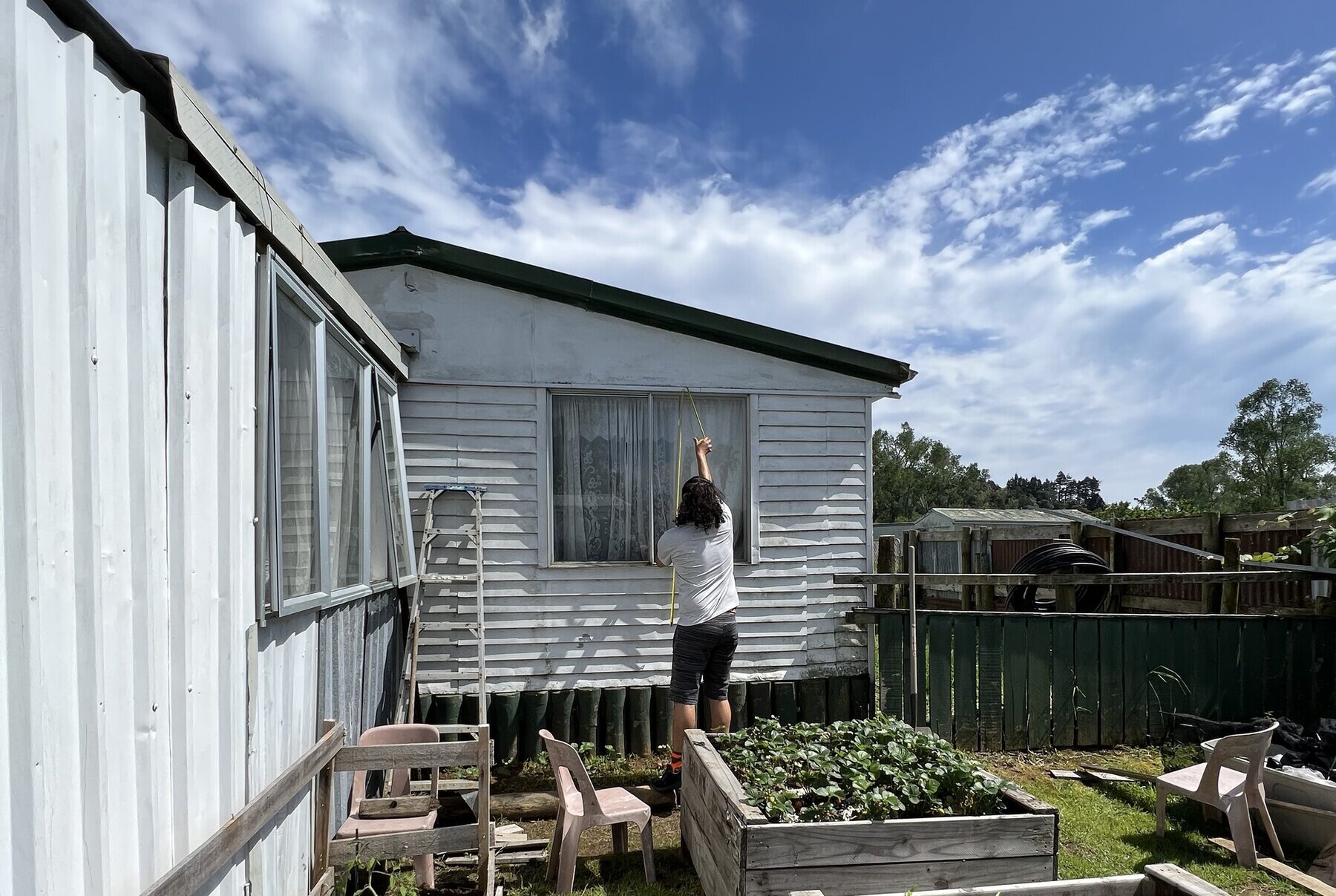
The nature of our mahi means our assessors have no idea what situation they are walking into at each visit. Each whānau is at a different stage in their journey, at a different level of openness to our support, and a different preconceived idea of what we can do for them. This can be a really challenging position to start an educational kōrero from.
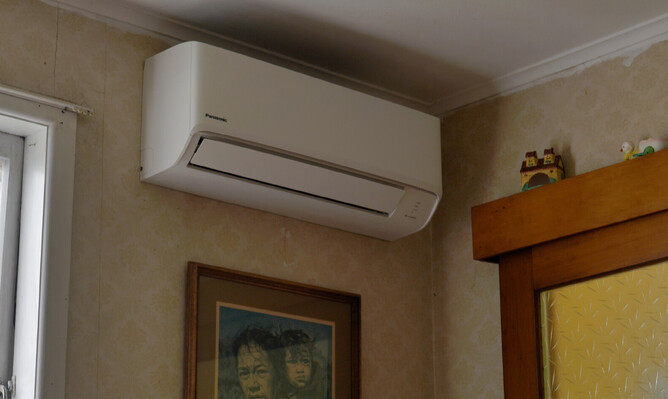
Sometimes we enter a home where the whānau member who booked the visit, isn’t there. The assessment starts from square one with a person who may be reluctant to us being in their home or what we do. The assessor needs to redirect their kōrero to explain to the new whānau member that we are there to help, not to pull them up on anything, or write them up for a wrong. These situations are when a koha goes a long way. An act of showing, rather than telling, that we are here for them. This koha can open the kōrero to education on why some changes are required; This koha of a heater will make their home healthier when they learn how to effectively use it.
In other situations, it can be easily evident which homes need better heating solutions from the first visit. It is the middle of a sunny day, and the home feels cold. Assessors sometimes wear two pairs of socks during winter because some of our whānau have such cold floors that it can be felt when the assessors remove their shoes to enter the whare. These whānau often don’t even notice, they have become climatised to the cold. However, their body functions haven’t. At 16 degrees, their respiratory pathways are being impacted, at 12 degrees, their heart function is affected, but they don’t know anything different, and they don’t know how their body is being affected.
This lack of awareness is why our education is pivotal. We explain the importance of heating a home and keeping that heat in, but it can be difficult to make someone aware that their living situation is unhealthy, and then not provide them with the resources they need to change that situation. That isn’t helping anyone. Being able to share our knowledge on the importance of appropriate heating, and then provide a heater that suits their needs, provides whānau with the tools they need to make their home healthier for themselves, and their tamariki and moko.