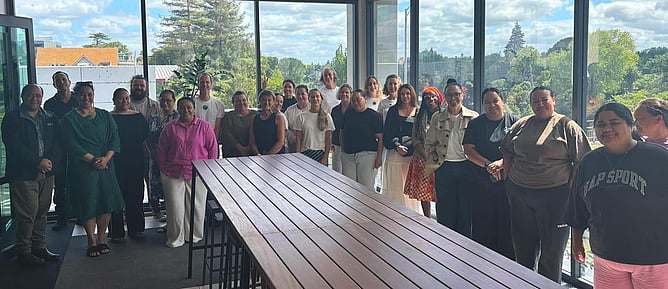
This blog is written by Caitlin at Sustainability Options (I manage our comms, referrals, and do some in-house research). For context, two weeks ago, a team of us from Sustainability Options (SO) went to a regional conference for the Healthy Homes Initiative (HHI). The conference involved 5 providers of the HHI service, from across our region, getting together for two days to learn from one another. I've written this blog to capture 'two days in the life of SO'. I hope you enjoy my perspective!
It was bright and early, two weeks ago on a Tuesday, that I got picked up by Nik to head to the HHI Te Manawa Taki regional hui in Hamilton.
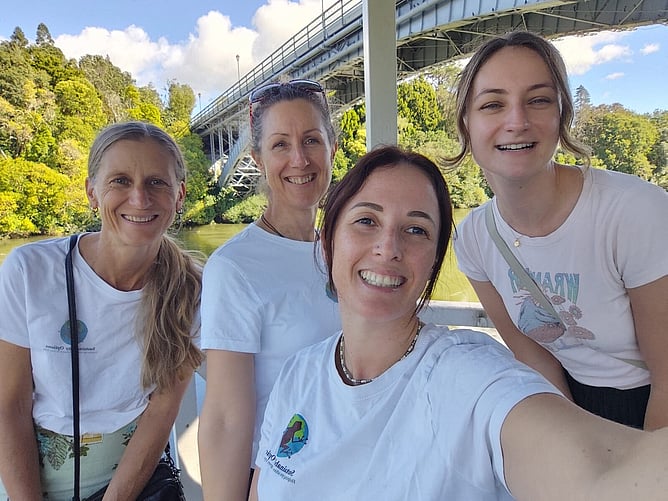
After some carpooling banter with Jessie, Rachel, and Nik (we’re always trying our best to carpool and reduce emissions!), we rocked up at the Ibis hotel to settle in for the regional conference.
When we got there, I saw the fresh faces of more of my colleagues in the hotel lobby, as well as the lovely Caitlin from Te Whatu Ora. I’ve been liaising with Caitlin quite a bit because she is a key contact for the HHI contract. It’s funny - several times I’ve had people mix me up with her, over email. There aren’t many Caitlins spelt the same way!
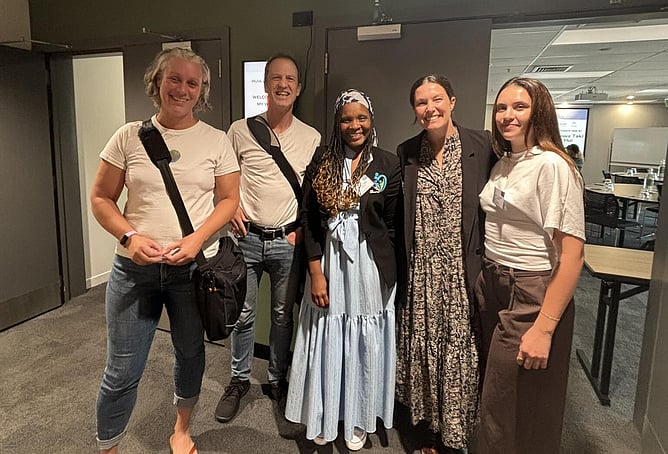
After putting a couple faces to names, we headed over to the conference venue. There, I saw some faces drop. Turns out, a few of us got the conference dates mixed up! The two-day conference starts the following day. Oops…
Quickly, we tried to sort out extra accommodation, and to figure out who is working from where on the Tuesday. We can laugh about it now, but it was a bit of a hassle at the time!
It was all worth it in the end, as the conference that kicked off on the Wednesday was invaluable.
To paint a picture, the conference was all about getting the different Healthy Homes Initiative providers from the Te Manawa Taki region - Taranaki, Tairāwhiti, Waikato, Bay of Plenty, and Lakes - together in one room. To connect with each other, learn, and strengthen our collective mahi.
AWHI from Waikato hosted us, and beautifully welcomed us, with karakia and waiata. Wise Charitable Trust from Taranaki were also the main organiser of the event.
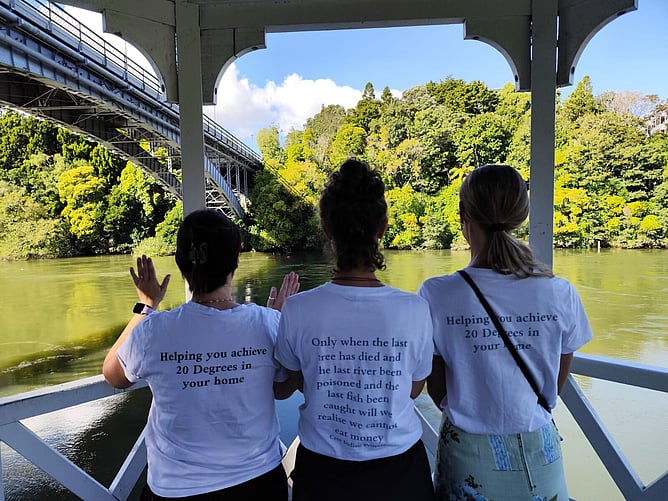
Jo did a great job facilitating the conference. She mentioned the beautiful awa (the Waikato River) close by and encouraged us to feel rejuvenated by its energy. I wish we kept a tally of her ‘awa’ mentions! (This did become a silly inside joke after all...).
Silliness aside, it became quite apparent throughout the conference that we are part of something much larger than just our region. In the conference, each provider stood up and shared about who they are, how they mahi, and the stories of their impacts. We got to hear about their range of funding, collaborations, and interventions.
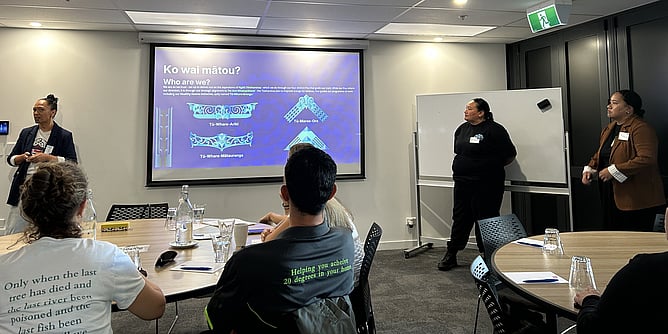
Learning of each provider’s compassion and motivation to help whānau to have healthier homes was very connecting. It was definitely a shared feeling in the room. I got the impression that each provider is striving to go the extra mile where possible to help families - beyond criteria and eligibility.
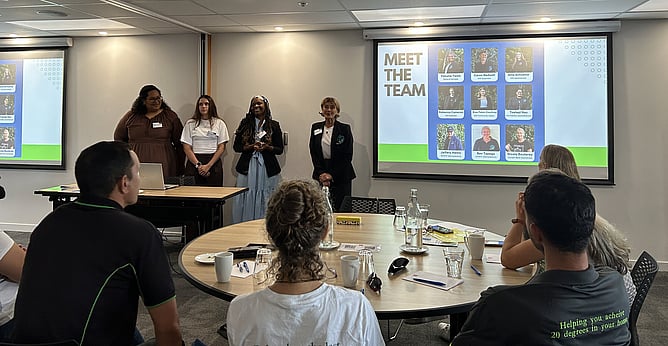
I am lucky that in my role I get to communicate regularly with the different HHI providers. But I know that for HHI home assessors, admin teams, and the logistics teams, it can seem like they are siloed at times - with their focus being on the community they’re working in. We can forget the bigger picture quite easily. This conference was a great reminder to take stock, reflect and celebrate the work we have collectively done.
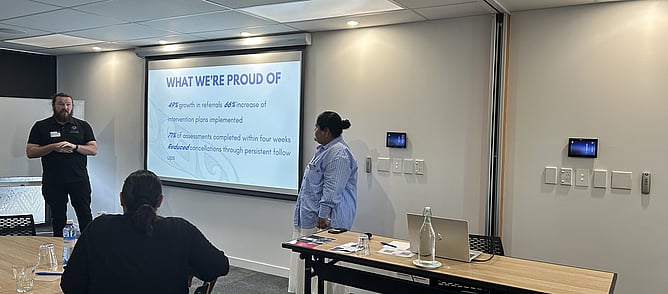
On day one of the conference, we got to hear from Caitlin at Te Whatu Ora about the kinds of system transformation she’s striving for. She did an activity where we noted down - on post it notes - one thing we’re proud of, our tips/tricks/unique talents, and something we wish we’d known when we started.
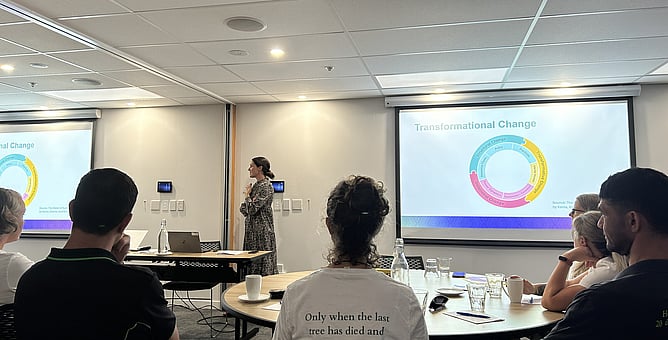
The main themes from this activity were: being proud of the help we’ve given, a talent for empathy, and that our mahi is a journey with many moving parts.
Reflecting on our mahi and learning from each other
Throughout the conference, we reflected and brainstormed on challenges, opportunities, and learnings from our own experiences.
One interesting opportunity that stood out was developing community initiatives alongside local prisons. It got the rest of us thinking, could we support more whānau with wrap around support from prisons – e.g. kai from community gardens, building of tiny houses, upcycling items, or even something else?
There’s also the untapped resource of rangatahi, like sporting teams and Gen Z’s involvement in social media. Could we rally rangatahi’s support in spreading the word of our mahi to help more families, or to help with delivering donated items?
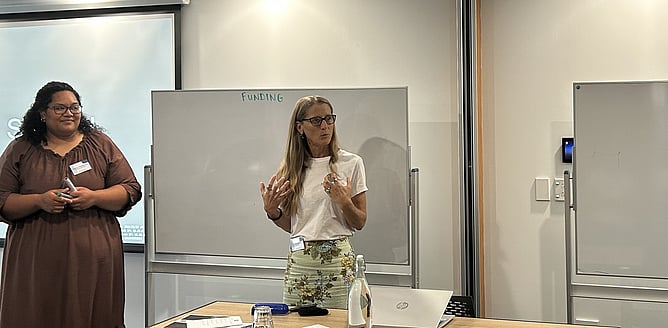
In sharing specific information on who our sponsors and funders are, it also sparked ideas for the team as to what we could do differently.
We also discussed what our dreams are for the HHI program. Like how it might evolve to help more people struggling with cold damp homes. We wrote a wish list, namely: opening up the HHI eligibility criteria to more health conditions like asthma and eczema, expanding the age brackets, and to be more preventative (e.g. supporting elderly).
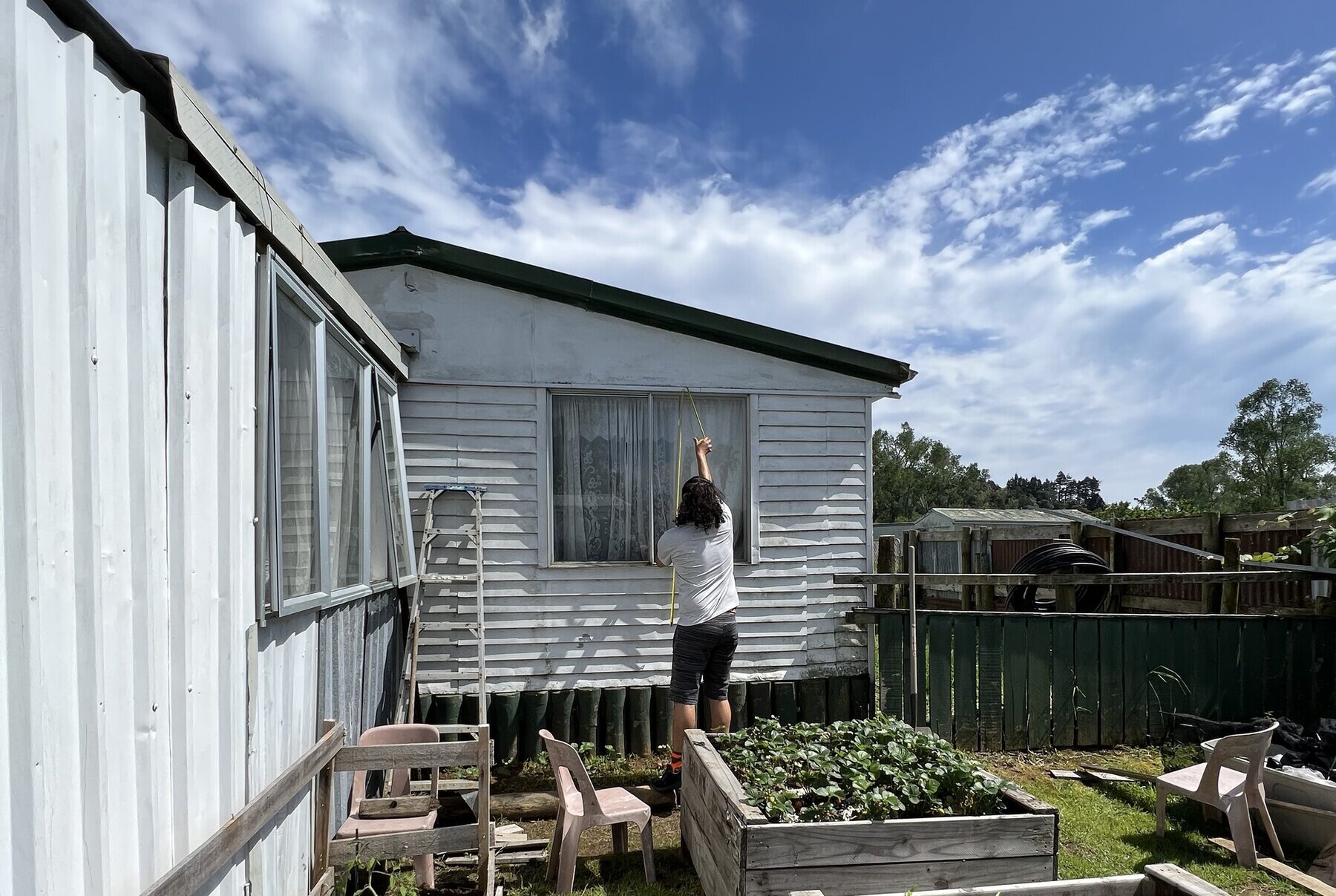
In another kōrero, we got to share our concerns and challenges in delivering our mahi. I feel for the assessors, who are doing their best travelling to remote locations, managing a range of health and safety risks, and navigating challenging whānau dynamics. Being able to share the frustrations we experience opens up the door to making changes and improving our ways of working. For example, using risk radars, making use of training opportunities, and changing up communication processes.
Training
On the second day of the conference, Nik got up (in his usual great high energy way!), to deliver a workshop all about energy management, and to share information on other knowledge gaps we may have.
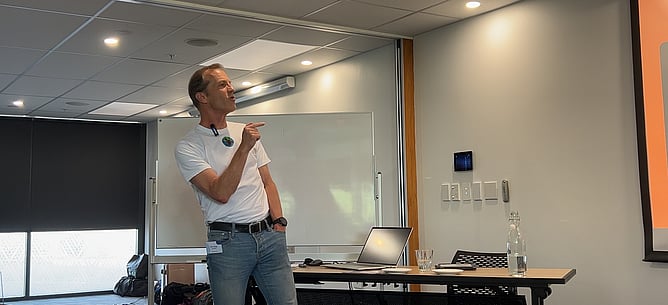
I was busy recording the session, so admittedly splitting my attention at times, (sorry Nik!), but I gleaned that supporting energy wellbeing is an area that we could improve in – to enable more whānau to have warm and healthy homes. Breaking down energy bills, and lowering them, is key to helping whānau to afford heating.
Peer to peer learning
Jo later facilitated breakout sessions, where we had peer to peer learning. I sat at the table which discussed whānau voice and communications. It was great for me to hear ideas, tips and tricks from both AWHI and Wise Charitable Trust.
Each group had someone ‘voluntold’ to share back the learnings from their discussions. I shared that our group are looking at ways to: work with rangatahi more, jump on social media trends, widen our reach with schools and hospitals, improve our whānau interviewing tikanga, develop translated resources, and craft messaging that is short and simple.
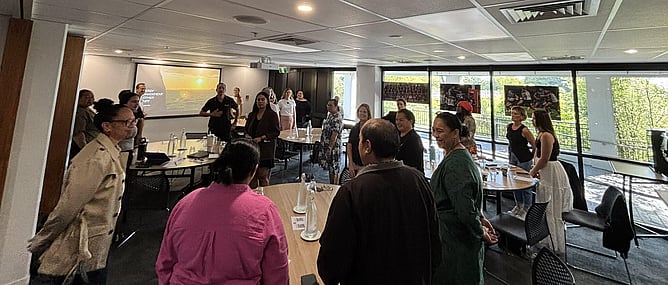
Another group talked about boosting referrals into the program, and looked at doing this face to face, with social media, and leaning on other providers more.
The remaining group chatted about community engagement and education and what could be improved. They figured it’s important to take time to: make new connections (especially with the whole whānau), deliver different types of workshops, maintain previous relationships, attend community social events, and to network.
Closing reflections
By the end of the conference, I felt full of ideas going forward. I also have a reinvigorated sense of the importance of our work - the why of what we do and the change we’re tangibly making in people’s lives. That we’re not doing this work alone. That each provider is striving for the best possible outcomes for their communities.
I’m excited to see what the future holds for the HHI program!