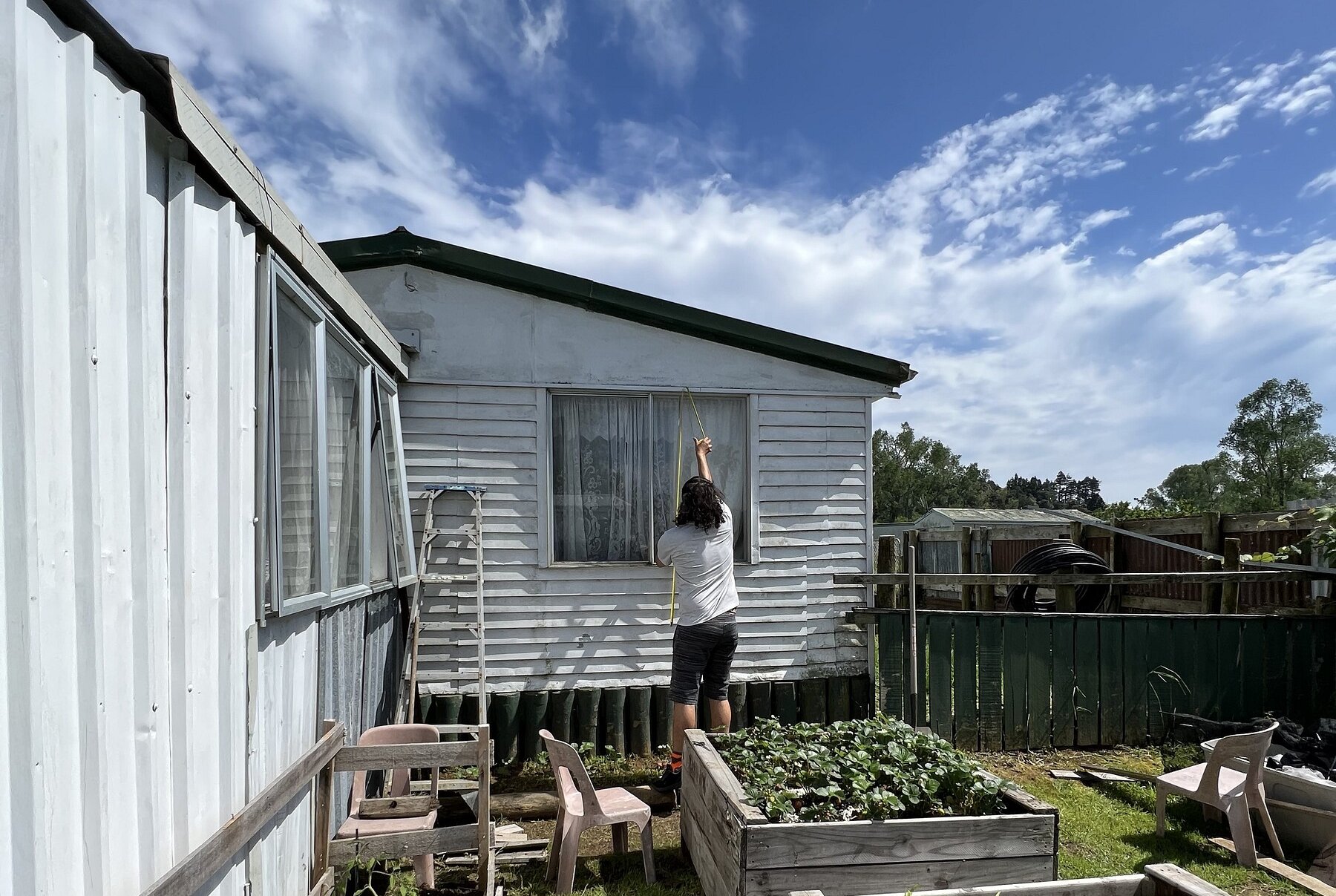
By Gareth Pheloung

Your home might be making you sick, and you may have stopped noticing.
My name is Gareth, and I’m a new home performance advisor. This blog reflects on my experience of stepping into a job that's equal parts science, storytelling, and changing hearts and minds.
I’m new to this work. A couple months in as a home performance assessor with Sustainability Options, and I’m still getting my head around the full picture. One thing that hit me almost immediately, is that most New Zealanders have no idea how much their house is affecting their health.
I certainly didn’t. Not really. Not in any meaningful, practical way.
Once you see the link between a cold damp home and a sick family, you can't unsee it.
The 18-degrees rule
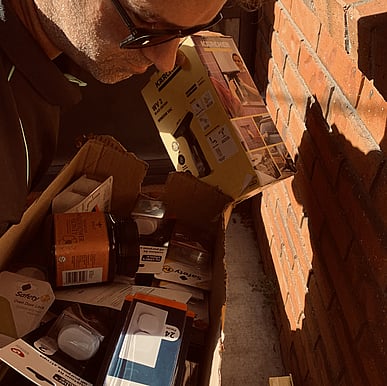
The World Health Organisation recommends a minimum indoor temperature of 18°C for healthy living. That number keeps coming up in my training, and it’s stuck with me. Not because it’s surprising, but because so many of us are living well below it and calling it normal.
An estimated 600,000 New Zealand homes are cold, damp, or draughty. A whānau is 8 times more likely to have respiratory illness in a cold damp home.
We live in Aotearoa — the land of the long white cloud
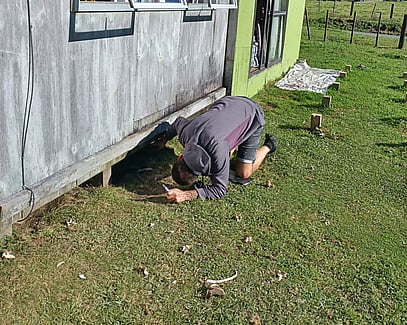
We’re a wet country. Moisture is everywhere. It comes in under doors, through walls, up from the ground, and from the simple act of cooking, showering, and breathing indoors. A family of five can put several litres of moisture into the air every single day just by going about their lives.
I know this firsthand. I live with my wife and three teenage daughters. Five people, one home. Before I started this job, I thought we were just “a bit cold in winter.” Now I’m starting to see our home through completely different eyes — understanding where the moisture is coming from, where the warmth is escaping, and what small changes could actually make a real difference.
We’ve become used to something we shouldn’t accept
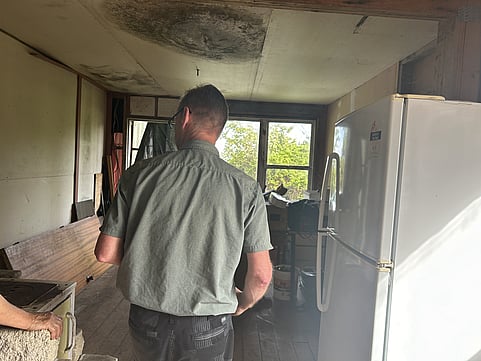
Kiwis have a long tradition of toughening up. Cold bedroom? Chuck on another duvet. Condensation on the windows every morning? That’s just winter. It’s familiar. But familiar isn’t the same as healthy.
The thing is, damp cold homes don’t just feel uncomfortable. They’re linked to respiratory illness, asthma, poor sleep, and worse outcomes for tamariki. It’s obvious when you think about it, but most of us haven’t been given the chance to think about it.
A warmer, drier home isn’t a luxury. It’s a health outcome, and it’s more achievable than most families realise.
What I love about this work
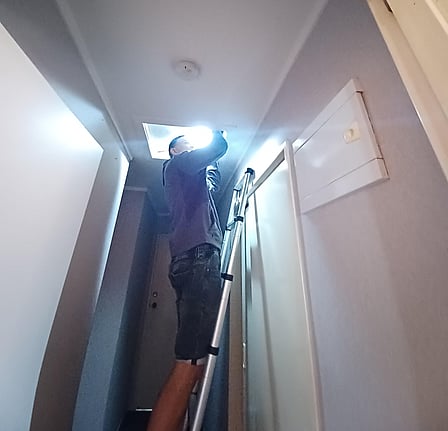
I’m still early in my journey as an assessor, but I already love what this job makes possible. We’re not asking families to do expensive overhauls overnight. A lot of what we do is education. We help people understand how their home works, and how small behaviour changes or low-cost repairs can have a real impact on warmth, dryness, and health.
Sometimes it’s as simple as adjusting how you ventilate after a shower, or where you dry your clothes. Sometimes it’s identifying a draught that’s been letting heat escape for years. The changes aren’t always dramatic, but the results for families can be.
That’s what I’m here for. Not just to assess a house — but to help the people inside it take control of where they live, and feel the difference.